Zakat & Charity
Zakat is one of the pillars of Islam and helps support those in need. Your generous contributions help provide essential assistance and bring hope to families within our community.
Zakat
Zakat is one of the five pillars of Islam and an important act of worship that purifies wealth and supports those in need.
By giving Zakat, Muslims fulfill a religious obligation while helping build a caring and balanced society.
What is Zakat?
Zakat is the third pillar of Islam and represents a fixed percentage of accumulated wealth that Muslims must give to those in need.
It is obligatory when a Muslim’s wealth reaches the minimum threshold known as Nisab and has been held for one lunar year.
The word Zakat in Arabic means purification, growth, and blessing. Through Zakat, wealth is purified
and shared with the less fortunate in society.
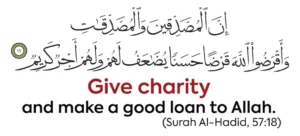
“Take from their wealth charity by which you purify them and cause them increase.”
(Quran 9:103)
Who Must Pay Zakat?
Zakat is obligatory for every adult Muslim who possesses wealth above the Nisab amount for one lunar year.
Both men and women who meet these conditions are required to give Zakat.
How Much Zakat is Paid?
The standard amount of Zakat is 2.5% of total savings and wealth that has been held for one lunar year,
provided that the wealth exceeds the Nisab threshold.
The Nisab is equivalent to the value of:
- 85 grams of gold
- 595 grams of silver
On What is Zakat Paid?
Zakat may be due on the following forms of wealth:
- Savings and cash
- Gold and silver
- Business goods and trade assets
- Agricultural produce
- Livestock
Who Receives Zakat?
The Holy Quran mentions eight categories of people who are eligible to receive Zakat:
- The poor
- The needy
- Those appointed to collect Zakat
- Those whose hearts are inclined toward Islam
- For freeing captives or slaves
- Those burdened with debt
- In the cause of Allah
- Travelers in need
“Zakat expenditures are only for the poor and the needy and those employed to collect it…”
(Quran 9:60)
How is Zakat Collected and Distributed?
Traditionally, Zakat was collected and distributed by the leaders of the Muslim community.
Today, many Masjids and charitable organizations help collect and distribute Zakat to ensure
it reaches those who need it most.
Our Masjid & Human Welfare Center ensures that Zakat is distributed responsibly to
eligible recipients within the community to support families, provide food, education,
and financial assistance.